Ktopia designs and develops engaging, narrative-driven Game Worlds in Education for Sustainable Development (ESD), with a special focus on Regenerative Food Systems.
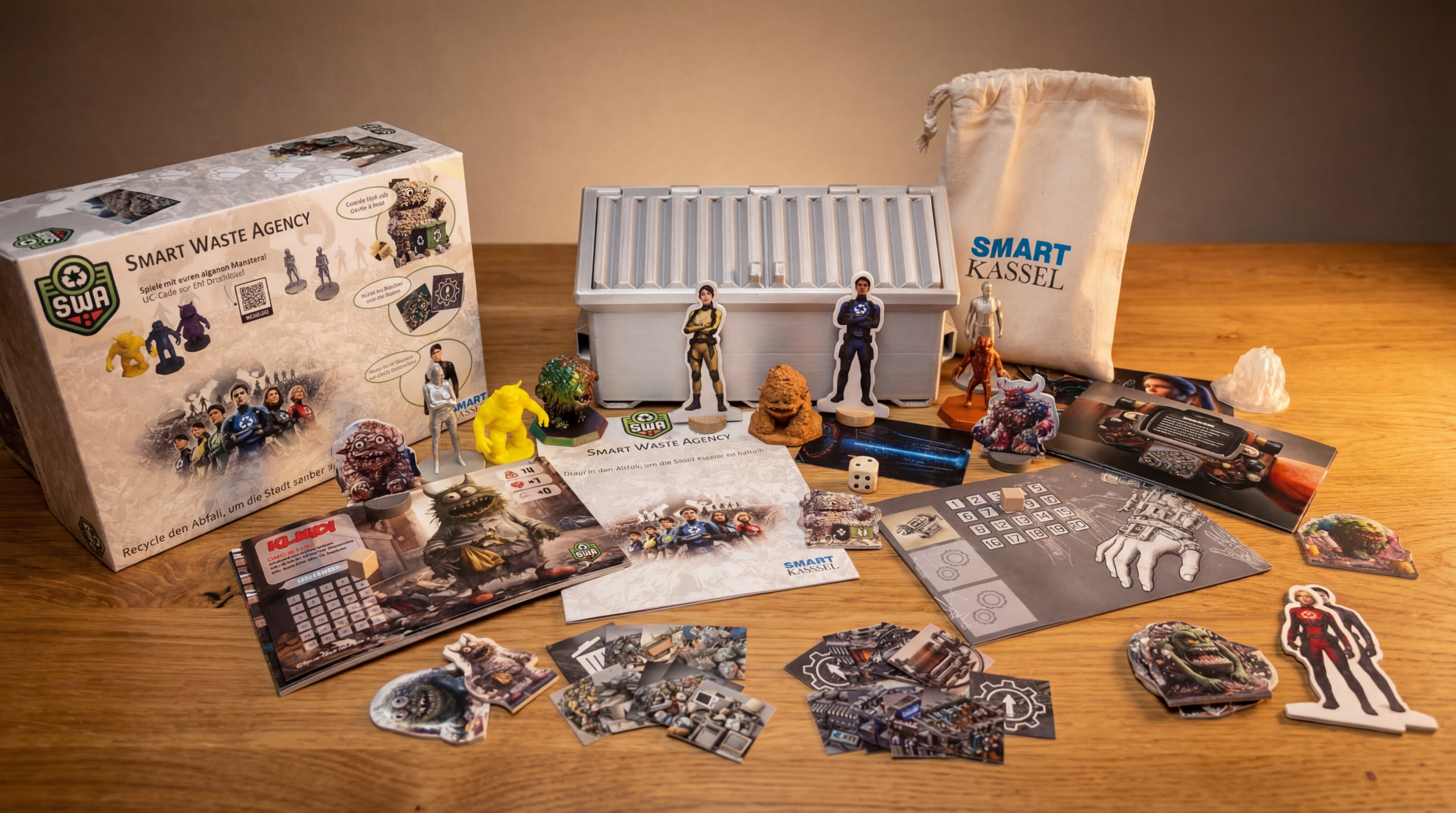
Our games are created in both analogue and digital formats by a multi-stakeholder cooperative, including Youth, and are released as Creative Commons and Open Educational Resources (OER)—enabling free adaptation and expansion using Open-Source tools.
fsysgame.org
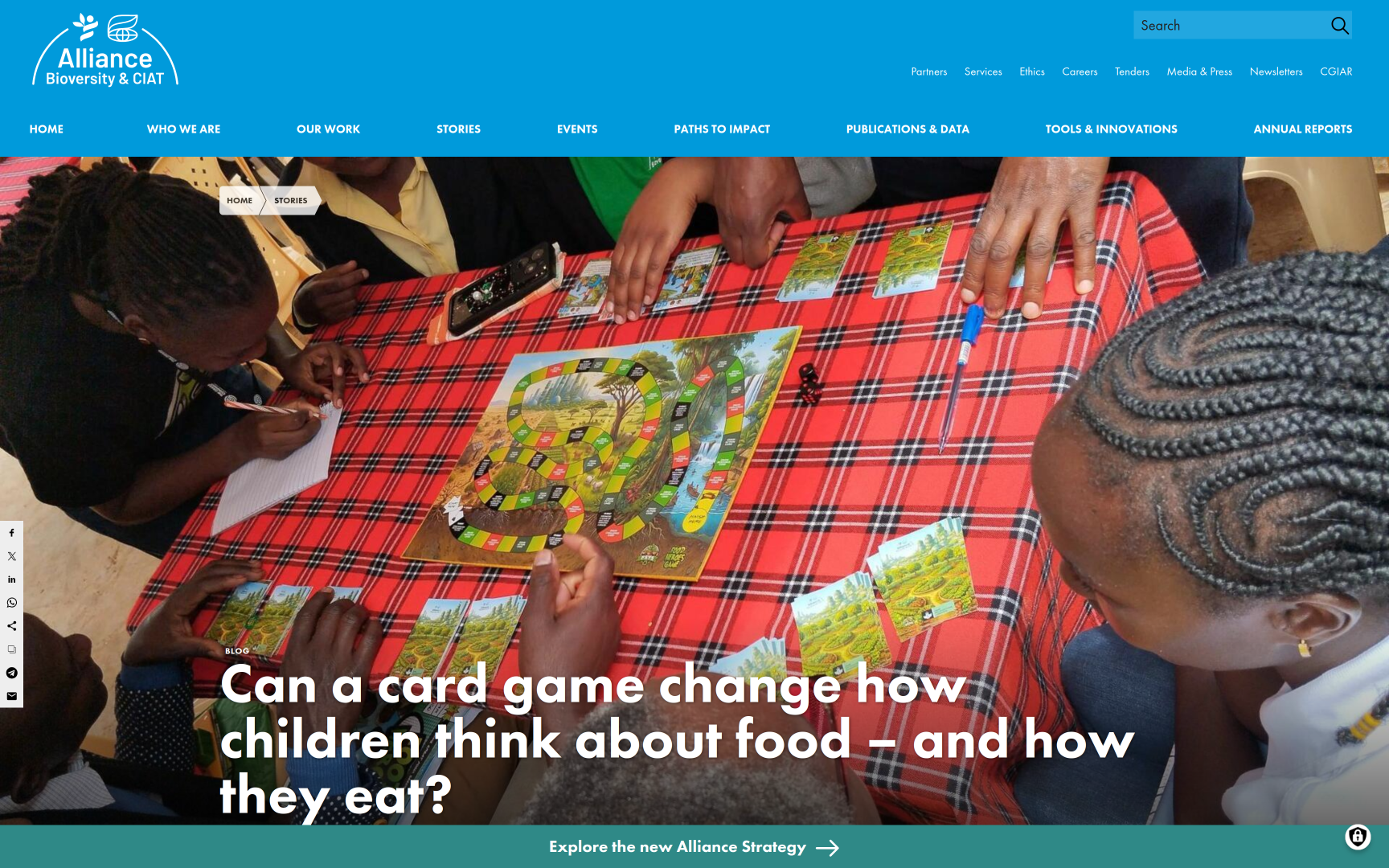
Fsys is a real-world action game in the Collectible Card Game (CCG) genre. It serves as an open-source educational platform for Food System Transformation, Agroecology, whole-school approaches to food and practising the Sustainable Development Goals.
Just released on Alliance Biodiversity International CIAT: Full Article

Member of the

Exploring the
Circular
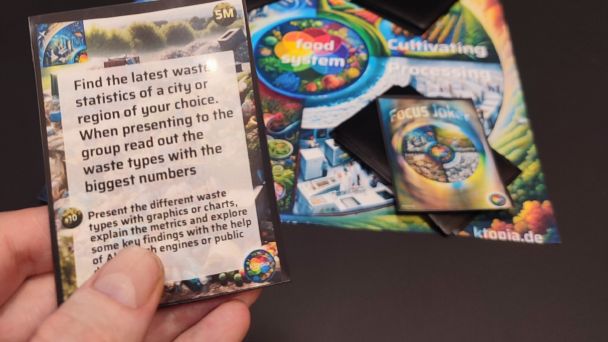
Open-Source & Common Good Sharing of Findings & Creations
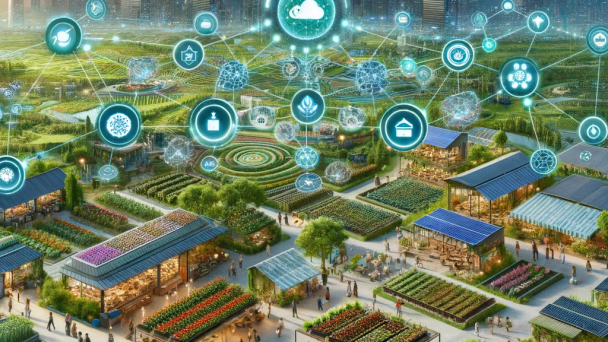
Dreaming

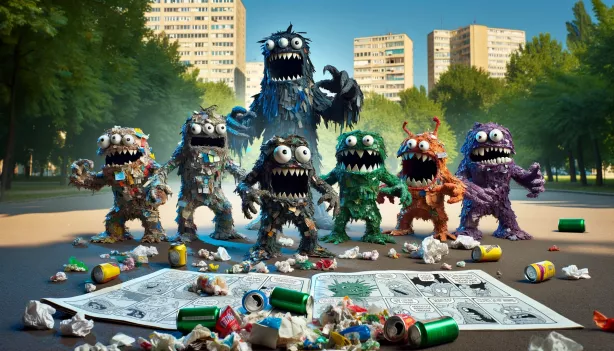
Play sparks curiosity and invites us to face challenges with joy. Games offer ways to explore, grow, and even learn through failure.
Ktopia invites people into narrative education worlds and supports them in co-creating open-source, analogue-digital games. We facilitate multi-stakeholder Europe–Africa cooperatives—including Youth—to design card games for exploring regenerative food systems and imagining paths toward global sustainability.
Inspiring story narratives, joyful action, playful co-creation, and open sharing of resources are essential for learning how to live sustainably—in ways that are locally rooted and culturally respectful.